


MENU

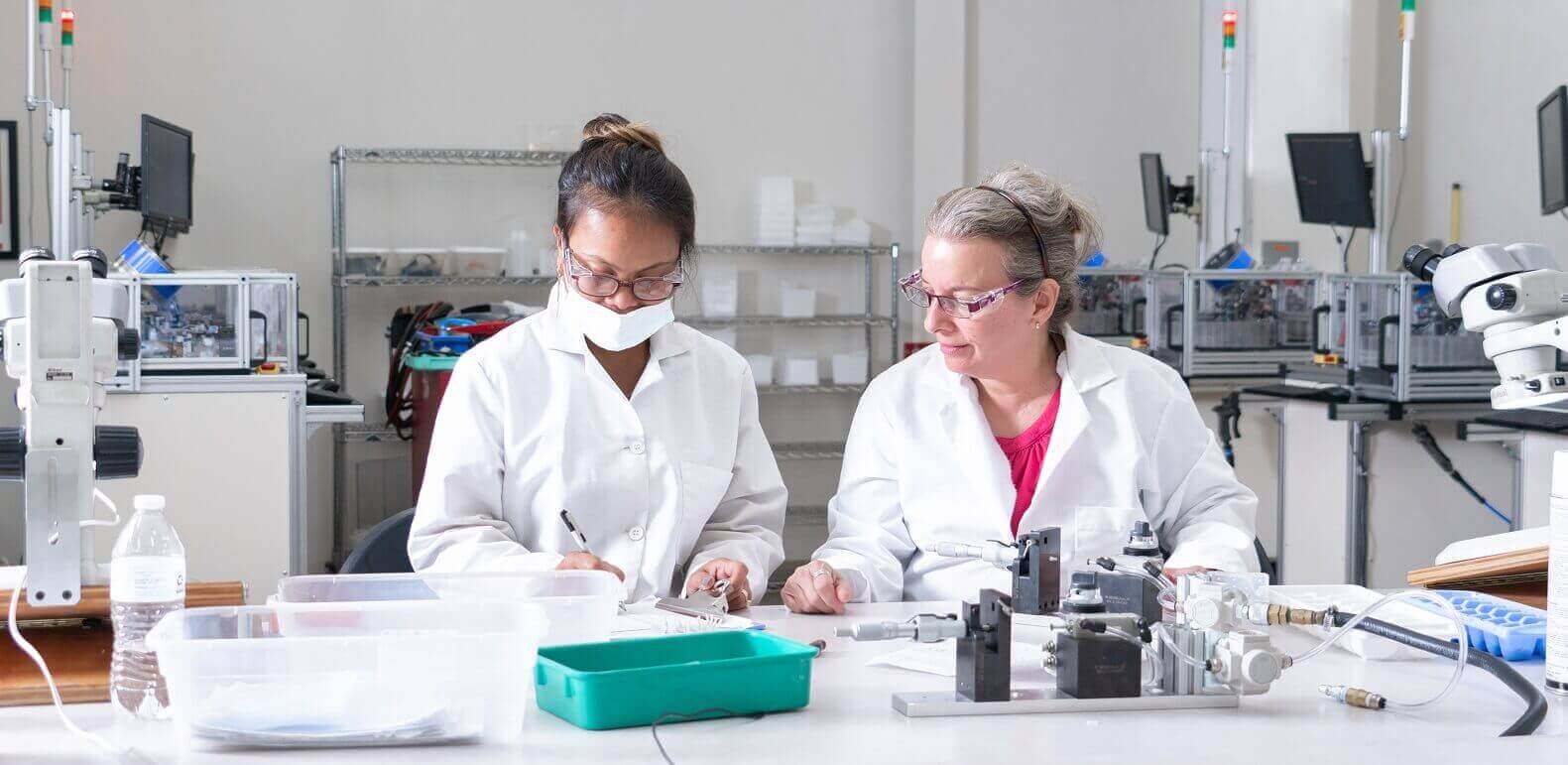
In today’s fast-paced manufacturing environment, companies cannot afford inconsistencies, delays, or errors. Medical device manufacturing plays a vital role in modern healthcare. Every day, hospitals, clinics, and research facilities depend on advanced medical technologies to diagnose conditions, monitor patients, and perform life-saving procedures. Because these devices directly impact patient health and safety, medical device manufacturing requires exceptional precision, strict quality standards, and continuous innovation.
Unlike many other industries, the margin for error in medical device manufacturing is incredibly small. Even a minor defect in a surgical instrument, diagnostic tool, or implantable device could lead to serious consequences for patients and healthcare providers. This is why companies involved in medical device manufacturing must adopt advanced engineering practices, maintain rigorous regulatory compliance, and utilize cutting-edge technologies throughout the design and production process.
Organizations like New Concept Technology help bring medical device ideas to life through integrated design, engineering, prototyping, and manufacturing services. By combining technical expertise with modern manufacturing solutions, companies can ensure that their medical device manufacturing processes produce reliable, high-quality products that meet the strict requirements of the healthcare industry.
Precision is one of the most important aspects of medical device manufacturing. Healthcare professionals rely on devices that function consistently and accurately, whether they are performing minimally invasive procedures or analyzing complex diagnostic data.
Medical devices often involve intricate components and extremely tight tolerances. Injection molded parts, metal stampings, micro-assemblies, and electrical components must all be manufactured with exact specifications to ensure proper performance. According to industry manufacturing standards, maintaining precise tolerances during processes like injection molding and automated assembly helps ensure consistent product quality and reliability in high-volume production.
Several factors contribute to the need for precision in medical device manufacturing:
To meet these demands, manufacturers often rely on robotics, automated inspection systems, and high-resolution imaging technologies to ensure consistent accuracy during production. These technologies reduce human error and allow manufacturers to achieve repeatable, high-precision results.
While precision ensures reliability, innovation drives progress in medical device manufacturing. The healthcare industry constantly evolves as new technologies emerge and patient needs change. As a result, manufacturers must continuously innovate to design more effective devices, improve production efficiency, and reduce costs.
Innovation in medical device manufacturing can occur in several areas, including design engineering, materials science, automation, and manufacturing processes. For example, advanced molding technologies and robotic systems allow manufacturers to create complex components with high precision and minimal waste.
Manufacturers also rely on innovative automation solutions to improve efficiency and scalability. Automated manufacturing systems can integrate multiple production stages, improving productivity while maintaining consistent quality. These systems also allow companies to increase production capacity without sacrificing accuracy.
In a competitive healthcare market, innovation ensures that medical device manufacturing continues to deliver safer, more effective solutions for patients around the world.
Medical device manufacturing involves a series of highly coordinated steps, each requiring careful attention to quality, engineering, and regulatory compliance. A typical development process includes the following stages:
By following this structured process, companies can transform innovative medical concepts into reliable, market-ready healthcare devices.
Technological advancements have significantly improved medical device manufacturing capabilities over the past decade. Today’s manufacturers rely on a variety of sophisticated technologies to produce complex devices with exceptional accuracy and efficiency.
Some of the most impactful innovations in medical device manufacturing include:
Automation allows manufacturers to streamline production while maintaining high precision. Automated assembly systems can perform complex tasks with minimal human intervention, reducing the risk of errors and improving product consistency.
Injection molding plays a major role in medical device manufacturing, especially when producing plastic components with precise dimensions. Advanced molding technologies allow manufacturers to create durable, high-quality parts while supporting both prototyping and high-volume production.
Insert molding is another valuable process that combines metal and plastic components into a single integrated part. This technique improves durability and reduces assembly requirements while maintaining precise alignment of components.
Robotic systems equipped with advanced sensors and imaging technology can perform detailed inspections throughout the manufacturing process. These systems help manufacturers detect defects early and maintain strict quality control standards.
Rapid prototyping technologies accelerate product development by allowing engineers to test designs quickly and make improvements before production begins. This reduces time-to-market while improving overall product quality.
Together, these technologies enable medical device manufacturing companies to produce highly sophisticated devices that meet the growing demands of modern healthcare.
Another critical factor in medical device manufacturing is regulatory compliance. Because medical devices affect patient health, manufacturers must follow strict industry regulations and quality standards.
Several international certifications demonstrate a manufacturer’s commitment to quality and safety. These certifications ensure that production facilities, manufacturing processes, and quality management systems meet rigorous standards.
Examples of important certifications include:
Facilities that meet these standards demonstrate their ability to produce medical devices under highly controlled conditions while maintaining strict quality control throughout the manufacturing process.
These certifications are essential for companies involved in medical device manufacturing because they ensure compliance with regulatory authorities and build trust with healthcare providers and patients.
Medical device development often requires multiple specialized services, including engineering design, prototyping, tooling fabrication, molding, assembly, and testing. Working with multiple vendors for each stage of development can create delays, increase costs, and complicate communication.
Single-source manufacturing offers a more efficient alternative. By providing integrated design and manufacturing capabilities under one roof, manufacturers can streamline the entire development process.
Single-source medical device manufacturing offers several advantages:
By combining engineering expertise with advanced manufacturing capabilities, companies can bring innovative medical devices to market faster while maintaining exceptional quality standards.

As healthcare technology continues to evolve, the demands placed on medical device manufacturing will only increase. Future medical devices will likely incorporate more advanced electronics, smaller components, and increasingly sophisticated materials.
Emerging technologies such as artificial intelligence, smart sensors, and connected medical devices will require even greater precision and engineering expertise. Manufacturers must continue to innovate in order to support these advancements while maintaining strict safety and quality standards.
At the same time, automation and robotics will continue to transform the manufacturing landscape. These technologies will allow manufacturers to produce complex devices more efficiently while ensuring consistent accuracy and reliability.
Ultimately, the future of medical device manufacturing will depend on the industry’s ability to combine precision engineering with forward-thinking innovation. Companies that invest in advanced technologies, experienced engineering teams, and integrated manufacturing solutions will be best positioned to meet the evolving needs of the healthcare industry.
Medical device manufacturing is more than just producing parts—it is about creating reliable solutions that improve patient care, enhance medical procedures, and advance the future of healthcare.