



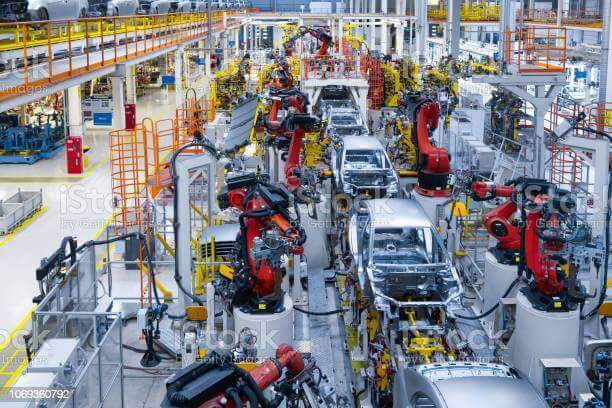
Manufacturing automobile parts at scale demands a combination of precision metal stamping, injection molding, insert molding, automated assembly, and precision tool fabrication. Each method addresses specific speed and accuracy requirements for automotive components. Integrated manufacturing — where all processes occur under one roof — reduces supply chain complexity and accelerates delivery timelines without sacrificing quality.
Automobile manufacturing is one of the most demanding industries in the world. Car manufacturers must produce millions of components while maintaining strict quality standards and tight tolerances. At the same time, they must keep production cycles short to remain competitive in a fast-moving global market.
Speed and accuracy are critical because even the smallest deviation in a component can affect vehicle performance, safety, and reliability. Modern automotive production relies on advanced manufacturing methods that combine automation, precision engineering, and integrated production systems. Today’s leading manufacturers use high-performance processes such as precision metal stamping, injection molding, insert molding, and automated assembly to produce automobile parts quickly while maintaining consistent quality.
Precision Metal Stamping for High-Speed Production
Metal stamping is one of the most efficient methods for automobile parts manufacturing at scale. This manufacturing process involves pressing sheet metal into specific shapes using specialized dies and high-speed stamping machines. Because stamping machines can operate at extremely high speeds, they are capable of producing thousands of parts per hour. Modern stamping presses are designed to operate with remarkable precision, ensuring every part meets exact specifications.
Advanced high-speed stamping equipment can produce components from materials as thin as a few thousandths of an inch while maintaining tight tolerances. These capabilities allow manufacturers to produce small electrical contacts, brackets, connectors, and structural automotive parts with exceptional consistency. Metal stamping supports high-volume manufacturing, reduces material waste, and delivers excellent repeatability — making it a cornerstone of modern automotive component manufacturing.
In automotive manufacturing, the value of high-speed production is only realized when every part meets dimensional specifications. Modern stamping, molding, and automated assembly systems are built to maintain tight tolerances at maximum throughput — ensuring that cycle time improvements never come at the expense of quality.
Injection Molding for Automotive Plastic Components
Many automobile components are made from engineered plastics rather than metal. Injection molding is the preferred method for producing these plastic parts because it allows manufacturers to create complex shapes quickly and consistently. In injection molding, molten plastic is injected into a mold cavity where it cools and solidifies into the final shape. This process is ideal for manufacturing components such as sensor housings, interior trim pieces, electrical connectors, and dashboard components.
Modern injection molding facilities use advanced robotic systems to improve accuracy and production speed. These automated systems allow manufacturers to maintain tight tolerances and consistent product quality across large production volumes. Injection molding also supports a wide range of engineering plastics, allowing automotive manufacturers to choose materials with specific performance properties such as heat resistance, chemical resistance, and durability.
Insert Molding for Hybrid Material Components
Insert molding is an advanced manufacturing technique that combines metal and plastic components into a single integrated part. During the insert molding process, a metal component is placed into a mold cavity before plastic is injected around it. Once the plastic solidifies, the metal insert becomes permanently bonded within the molded part. This process produces strong, lightweight components that combine the structural strength of metal with the flexibility and insulation properties of plastic.
Insert molding is widely used in automotive manufacturing for components such as electrical connectors, wire assemblies, and structural housings. By integrating metal inserts directly into plastic parts, manufacturers can eliminate secondary assembly operations and improve product reliability. Automated robotic systems are often used to place metal inserts into molds with high precision before plastic injection occurs, ensuring accurate placement and consistent quality during high-volume production.
Automated Assembly for Efficient Production Lines
Automotive manufacturing facilities rely heavily on automated assembly systems to maintain high production speeds. These systems use robotics, sensors, and advanced control software to assemble components quickly and accurately. Automation allows manufacturers to perform multiple assembly steps simultaneously while minimizing the risk of human error. Automated systems can handle tasks such as component placement, fastening, inspection, and packaging with remarkable efficiency.
Modern automated assembly lines often incorporate digital imaging inspection systems that monitor product quality throughout the production process. These systems detect defects early, allowing manufacturers to correct issues before large production batches are affected. Automation also enables manufacturers to increase production capacity while maintaining consistent product quality.
Modern high-speed stamping presses can produce thousands of precision automotive components per hour, from thin-gauge electrical contacts to structural brackets — all while maintaining tolerances measured in thousandths of an inch.
Tool Fabrication and Die Engineering
Behind every successful automotive manufacturing process is precision tooling. Tool fabrication involves designing and building the molds, dies, and fixtures used in production processes such as stamping and molding. High-quality tools ensure that every manufactured component meets exact dimensional specifications. Without precision tooling, even the most advanced manufacturing equipment cannot deliver consistent results.
In-house tool fabrication provides significant advantages for automotive manufacturers. Engineers can quickly modify tooling to accommodate design changes, optimize production efficiency, and reduce downtime. Advanced machining technologies such as CNC machining, electrical discharge machining, and precision grinding allow manufacturers to produce tools capable of maintaining extremely tight tolerances.
Integrated Manufacturing for Faster Production
Many automotive companies are shifting toward integrated manufacturing models where design engineering, prototyping, tooling, and production occur within a single facility. This approach allows manufacturers to streamline the entire production process. Integrated manufacturing environments allow engineering teams to collaborate more closely during product development — designers, engineers, and manufacturing specialists work together to optimize components for both performance and manufacturability.
By managing the entire production process under one roof, manufacturers can reduce supply chain complexity and accelerate product development timelines. Integrated manufacturing systems often combine multiple processes — such as stamping, molding, and automated assembly — to create complete automotive components from concept to production.
Key Advantages of Advanced Automotive Manufacturing Methods
| Manufacturing Method | Primary Advantage for Automotive Production |
|---|---|
| Precision Metal Stamping | Thousands of tight-tolerance parts per hour with minimal material waste |
| Injection Molding | Complex plastic part geometries produced consistently at high volume |
| Insert Molding | Metal-plastic integration eliminates secondary assembly and improves part strength |
| Automated Assembly | High-speed multi-step assembly with real-time defect detection |
| Tool Fabrication | Precision dies and molds that sustain dimensional accuracy across long production runs |
The Future of Automotive Parts Manufacturing
The automotive industry continues to evolve as new technologies transform vehicle design and production methods. Electric vehicles, autonomous driving systems, and advanced electronics are increasing the complexity of automotive components. To meet these challenges, manufacturers are investing in advanced robotics, artificial intelligence, and smart manufacturing technologies that allow production systems to monitor performance in real time and optimize processes automatically.
Automation, precision tooling, and integrated automobile parts manufacturing will continue to play a central role in producing the next generation of automotive components. Manufacturers that adopt these advanced production methods will be better equipped to deliver high-quality parts quickly and efficiently as automotive technology continues to evolve.
Frequently Asked Questions
What is the most efficient method for high-volume automobile parts manufacturing?
Precision metal stamping is widely considered the most efficient method for high-volume production of metal automotive components, capable of producing thousands of parts per hour. For plastic components, injection molding offers comparable throughput with the ability to produce complex geometries at scale with consistent quality.
Why do automotive manufacturers use insert molding for connectors and housings?
Insert molding permanently bonds metal contacts or structural inserts within a plastic housing in a single operation. This eliminates secondary assembly steps, reduces the risk of loose connections, and produces lighter, more durable components that withstand the vibration and temperature cycling common in automotive environments.
How does automated assembly improve automotive manufacturing quality?
Automated assembly systems use robotics, digital imaging, and sensors to perform and inspect multiple assembly steps simultaneously with minimal human error. Defects are detected in real time before they propagate through a production batch, ensuring consistently high quality across high-volume runs.
What role does tool fabrication play in automotive parts production?
Precision tooling — dies for stamping, molds for injection and insert molding — directly determines whether finished parts meet dimensional specifications. In-house tool fabrication gives manufacturers the ability to adjust tooling quickly when designs change, maintaining production continuity and reducing costly delays.
What are the advantages of integrated manufacturing for automotive companies?
Integrated manufacturing consolidates design, prototyping, tooling, stamping, molding, and assembly under one roof. This eliminates supply chain fragmentation, reduces communication delays between teams, shortens development timelines, and ensures consistent quality control from the earliest design stage through final production.
How are electric vehicles changing automotive parts manufacturing requirements?
Electric vehicles require more complex electrical connectors, battery housings, motor components, and sensor assemblies than traditional internal combustion vehicles. This increases demand for insert molding, precision stamping of thin electrical contacts, and tighter-tolerance automated assembly — placing greater emphasis on advanced manufacturing capabilities and integrated production partnerships.
Need a Manufacturing Partner for Automotive Components?
NCT delivers stamping, molding, automated assembly, and precision tooling as a single integrated solution — built for the speed and accuracy automotive production demands.
Contact Us →Sources
| Organization | Resource |
|---|---|
| Automotive Body Parts Association | Automotive Parts Manufacturing Standards |
| SME (Society of Manufacturing Engineers) | Metal Stamping Technology Resources |
| WardsAuto | Automotive Manufacturing Industry News |
| Deloitte Insights | Future of Automotive Manufacturing |