


MENU

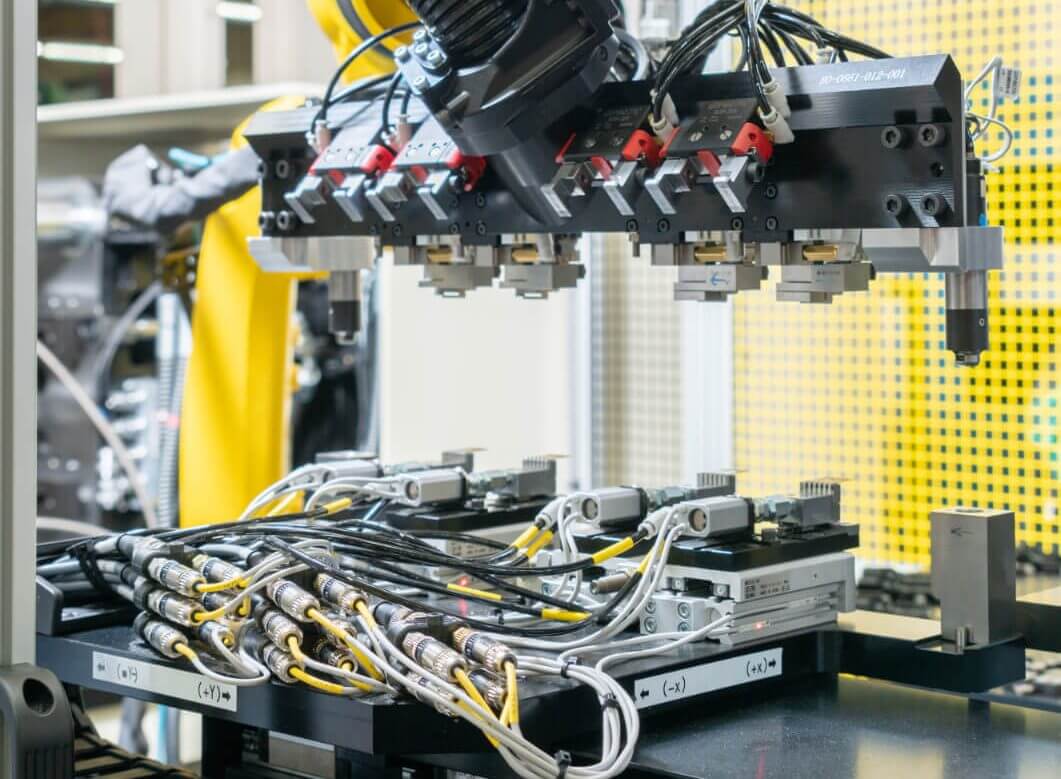
Insert molding has become one of the most valuable technologies in modern manufacturing. Companies across industries are constantly seeking efficient ways to produce durable, high-performance components while minimizing production costs. Insert molding provides a powerful solution by combining metal and plastic materials into a single, integrated part.
In insert molding, a metal component is placed into a mold cavity before molten plastic is injected around it. The plastic then solidifies around the insert, forming a unified component that benefits from the properties of both materials. The metal provides structural strength and conductivity, while the plastic adds insulation, flexibility, and corrosion resistance.
This manufacturing method is widely used in high-performance industries such as automotive, medical devices, aerospace, telecommunications, and consumer electronics. By eliminating the need for secondary assembly steps, insert molding improves efficiency and helps manufacturers produce complex parts with greater consistency.
High-performance manufacturing requires precision, reliability, and scalability. Insert molding supports all three requirements by simplifying component production while enhancing the overall quality of finished parts.
Traditional manufacturing methods often require multiple components to be produced separately and assembled later. This adds complexity to production and increases the risk of assembly errors. Insert molding eliminates these issues by encapsulating metal components within plastic during the molding process.
Because the materials are bonded during production, the finished component often has stronger structural integrity than parts assembled through traditional fastening or welding methods.
Insert molding also improves production efficiency by allowing manufacturers to complete multiple processes simultaneously. Instead of molding plastic parts and attaching metal components afterward, manufacturers can produce fully integrated parts in a single operation.
Manufacturers choose insert molding because it offers a wide range of performance and production advantages. These benefits allow companies to improve product durability while maintaining efficient manufacturing workflows.
Key advantages of insert molding include:
By combining multiple manufacturing steps into one process, insert molding enables manufacturers to produce high-performance components at scale without sacrificing quality.
Insert molding is widely used in industries that require precision-engineered components capable of performing under demanding conditions.
The automotive industry relies heavily on insert molding to produce electrical connectors, sensor housings, and structural components. Vehicles require parts that are both lightweight and durable. Insert molding allows manufacturers to integrate metal contacts directly into plastic housings, creating reliable electrical components that withstand vibration and extreme temperatures.
Medical devices demand extremely high levels of precision and reliability. Insert molding is commonly used to produce surgical instrument components, device housings, and medical cable assemblies.
Medical manufacturers benefit from the ability to create intricate components with tight tolerances while maintaining strict quality control standards. Cleanroom-certified facilities and advanced molding technologies allow manufacturers to meet the rigorous requirements of medical production.
Electronic equipment often requires connectors, wiring components, and protective housings that combine conductive metals with insulating plastics. Insert molding provides a reliable way to integrate these materials while protecting sensitive electronics.
The telecommunications industry also uses insert molding to manufacture connectors and data transmission components used in high-speed communication infrastructure.
Aerospace applications require materials that deliver both strength and lightweight performance. Insert molding helps engineers develop complex components that meet strict aerospace specifications while maintaining structural integrity.
Defense systems also rely on insert-molded components for connectors, sensors, and specialized equipment designed to operate in extreme environments.
Manufacturing technology continues to evolve, and insert molding processes have advanced significantly in recent years. Today’s high-performance insert molding services use robotics and automation to achieve exceptional precision.
Modern manufacturing facilities often use six-axis robotic systems equipped with laser displacement technology to position metal inserts within the mold cavity. This automated process ensures accurate placement before the plastic injection stage begins.
Automation improves manufacturing performance in several ways. First, it ensures consistent insert placement across high production volumes. Second, it reduces the risk of human error during production. Finally, it enables faster production cycles while maintaining strict quality control standards.
With automated monitoring systems and advanced robotics, manufacturers can produce highly complex parts while maintaining exceptional repeatability.
Successful insert molding projects begin long before the manufacturing stage. Design engineering plays a crucial role in ensuring the final product performs as expected while remaining efficient to produce.
During the design phase, engineers must consider factors such as material compatibility, insert positioning, mold flow characteristics, and structural load requirements. These considerations help prevent defects and ensure the finished component meets performance expectations.
Concurrent engineering principles are often used to accelerate product development. This approach allows multiple development stages—including design, testing, and manufacturing planning—to occur simultaneously.
By collaborating early in the design process, engineering teams can identify potential challenges and optimize the component before production begins.
Many manufacturers now prefer working with companies that provide integrated manufacturing services. A single-source manufacturing approach allows businesses to streamline the entire product development process from concept to production.
When design engineering, tooling fabrication, molding, and automation are handled within the same facility, companies benefit from improved communication and faster development timelines.
Integrated manufacturing services typically include:
By managing these services under one roof, manufacturers can reduce supply chain complexity while ensuring consistent quality across every stage of production.
High-quality tooling is essential for successful insert molding. Mold tools must be manufactured with extremely tight tolerances to ensure consistent insert placement and proper plastic flow during injection.
Advanced tool fabrication uses technologies such as CNC machining, electrical discharge machining and precision grinding to create molds capable of producing complex components.
Manufacturers with in-house tooling capabilities can rapidly adjust mold designs when production requirements change. This flexibility allows companies to respond quickly to evolving product designs or increased production demand.
As manufacturing technologies continue to advance, insert molding is becoming even more important for producing next-generation components.
Industries such as electric vehicles, advanced medical devices, and telecommunications infrastructure are driving demand for high-performance parts that require both durability and precision. Insert molding offers an ideal solution for these applications because it integrates multiple materials while maintaining efficient production processes.
Innovations in robotics, automation, and material science will continue to expand the possibilities of insert molding. Manufacturers that invest in advanced technologies and integrated production capabilities will be well-positioned to support the growing demand for complex engineered components.

Insert molding has become an essential manufacturing process for companies seeking efficient, high-performance production solutions. By integrating metal and plastic materials into a single component, manufacturers can achieve improved durability, reduced weight, and streamlined assembly processes.
For industries that demand precision and reliability, insert molding offers a powerful way to produce complex parts at scale while maintaining consistent quality.
Organizations that partner with experienced insert molding providers gain access to advanced manufacturing technologies, engineering expertise, and integrated production capabilities that help transform innovative ideas into market-ready products.